
Flat Roof Installation Service
Our team specializes in flat roof construction: best practices for commercial buildings, ensuring durable, properly sealed, and weather-resistant roofs that protect your property long-term.
If you're exploring flat roof construction: best practices for commercial buildings, you're in the right place. Properly designed and executed flat roofs are essential for protecting your property from the elements, preventing water intrusion, and ensuring long-term performance. Our team specializes in delivering quality flat roof installation services that focus on strategic layering, effective ventilation, and precise sealing-key elements that contribute to durability and energy efficiency. Whether you're considering new construction or upgrading an existing roof, understanding these best practices can help property owners make informed decisions that safeguard their investments.
Property owners in the area may find value in exploring this topic to better understand how a well-installed flat roof can reduce maintenance needs, improve energy efficiency, and extend the lifespan of their buildings. A professionally executed flat roof installation addresses critical factors such as material selection-ranging from metal to membrane options-and proper flashing techniques to prevent leaks. As experts in flat roof installation, our team is dedicated to applying these best practices to ensure your commercial building’s roof performs reliably over time, providing peace of mind and long-lasting protection. Keep reading to learn more about how these principles can benefit your property.
- Flat roof installation - property owners may need this service when constructing or replacing a flat roof to ensure proper layering and sealing for long-term durability.
- Flat roof construction - during the initial building phase, our team approaches the project with attention to ventilation, material selection, and weatherproofing to meet best practices.
- Flat roof installation for commercial buildings - when upgrading or expanding commercial properties, we focus on efficient, high-quality installation that supports the building’s structural integrity.
- Flat roof system setup - property owners seeking reliable protection against water intrusion rely on our precise installation techniques tailored to the specific needs of commercial flat roofs.
- Commercial flat roof installation - for new construction or major renovations, our team applies industry best practices to deliver roofs that withstand harsh conditions and provide energy efficiency.
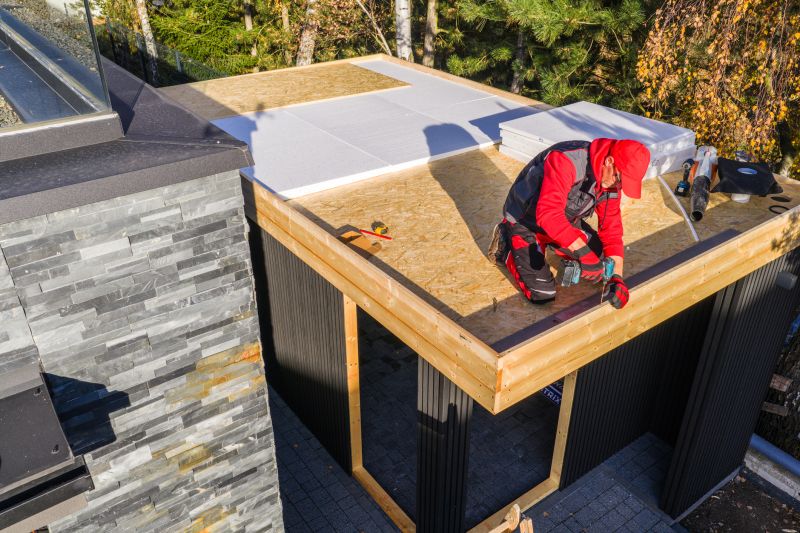
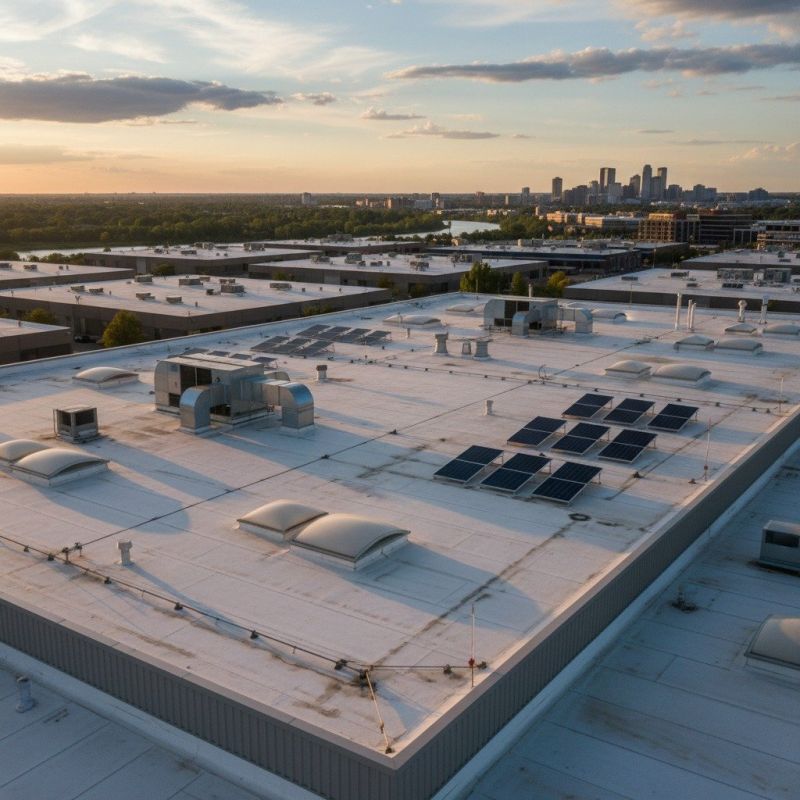
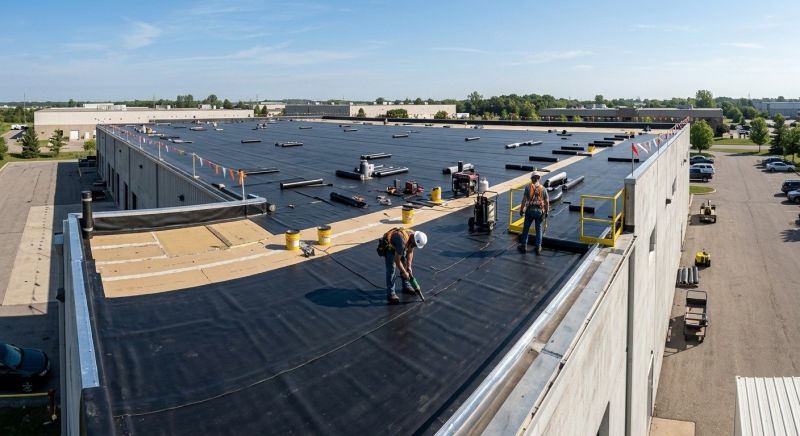
Flat roof construction for commercial buildings involves a set of best practices designed to ensure durability, safety, and long-term performance. When planning a flat roof project, it’s essential to focus on proper design and material selection, as these factors significantly influence the roof’s ability to withstand weather conditions and operational demands. Our team emphasizes meticulous planning to ensure the roofing system is correctly layered, sealed, and ventilated, which helps prevent issues like water intrusion, leaks, and premature wear. By adhering to proven construction techniques, we help property owners achieve a reliable, energy-efficient roof that meets the specific needs of their commercial space.
Many projects related to flat roof construction revolve around addressing existing problems or planning for future needs. Common concerns include water pooling, leaks, and damage caused by exposure to rain, wind, and temperature fluctuations. Proper installation practices are critical to avoiding these issues, as poorly constructed flat roofs can lead to costly repairs and structural concerns over time. Our services focus on installing robust, high-quality roofing systems that are designed to handle these challenges, whether it’s a new build or a retrofit of an existing roof. We also assist property owners in planning for upgrades or modifications to improve performance or accommodate additional features like rooftop equipment or solar panels.
The types of properties that typically come up in discussions about flat roof construction include commercial office buildings, retail centers, warehouses, and industrial facilities. These properties often have large, expansive roof surfaces that require specialized installation techniques to ensure uniform coverage and drainage. Flat roofs are valued in these settings for their functional space and ease of maintenance, but they also demand careful attention during construction to prevent issues like ponding water or membrane damage. Our team’s expertise ensures that each flat roof installation is tailored to the property’s specific requirements, providing a stable foundation for ongoing performance and protection.
Our flat roof installation services are designed to meet the unique demands of commercial properties by focusing on quality craftsmanship and durable materials. We work with a variety of roofing options, including membrane systems, metal, and built-up roofs, to match the performance needs and aesthetic preferences of each project. Proper installation techniques-such as ensuring correct insulation, flashing, and sealing-are crucial to maximizing the lifespan of the roof and minimizing future repairs. By applying industry best practices and paying close attention to detail, our team helps property owners achieve a flat roof that offers reliable protection, efficient performance, and long-lasting value for their commercial investments.
Flat roof construction: best practices for commercial buildings emphasize the importance of precise installation techniques to ensure long-lasting performance and protection. A professionally executed flat roof system involves careful planning of layering, proper sealing, and effective ventilation to withstand the demands of commercial environments. By utilizing high-quality materials such as membrane, asphalt, or modified bitumen, along with proper flashing and drainage solutions, the integrity of the roof is maintained, reducing the risk of leaks, water intrusion, and structural damage over time.
Effective flat roof construction also requires attention to details like insulation and drainage management. Proper insulation helps regulate temperature and prevents moisture buildup within the roofing system, which can lead to deterioration. Additionally, ensuring adequate slope and drainage pathways prevents standing water, which can accelerate material degradation and compromise the roof’s stability. Employing best practices in these areas helps create a resilient roofing system that can handle the challenges of harsh weather and heavy use typical of commercial buildings.
In the realm of flat roof construction: best practices for commercial buildings, choosing the right installation methods and materials is crucial for durability and performance. Experienced contractors focus on meticulous installation of flashing around penetrations, skylights, and transitions to prevent leaks. Installing roof vents and proper airflow mechanisms also plays a vital role in maintaining attic and roof space ventilation, reducing heat buildup, and controlling moisture. Incorporating these best practices ensures the flat roofing system remains reliable, maintains its appearance, and provides effective protection for the long term.
Commercial Flat Roof Projects - Our team’s experience with large-scale commercial flat roofs involves precise planning, material selection, and installation techniques that align with best practices for flat roof construction in commercial buildings.
Roof Waterproofing Applications - Skills in waterproofing systems are essential for flat roof construction, ensuring long-term protection against water intrusion and maintaining the integrity of commercial roofing systems.
Roof Ventilation and Insulation Projects - Proper ventilation and insulation are critical components of flat roof construction, helping to manage temperature and moisture levels for commercial building durability.
Roof Repair and Restoration - Our expertise in repair and restoration services supports the ongoing maintenance of flat roofs, addressing issues that can compromise the effectiveness of construction best practices.
Flashing and Detail Work - Installing and repairing flashing around roof penetrations and transitions is a key aspect of flat roof construction, preventing leaks and protecting critical areas of commercial roofs.
Metal and Membrane Roofing Installations - We specialize in installing durable membrane and metal roofing systems that follow best practices for flat roof construction, ensuring performance and longevity for commercial buildings.
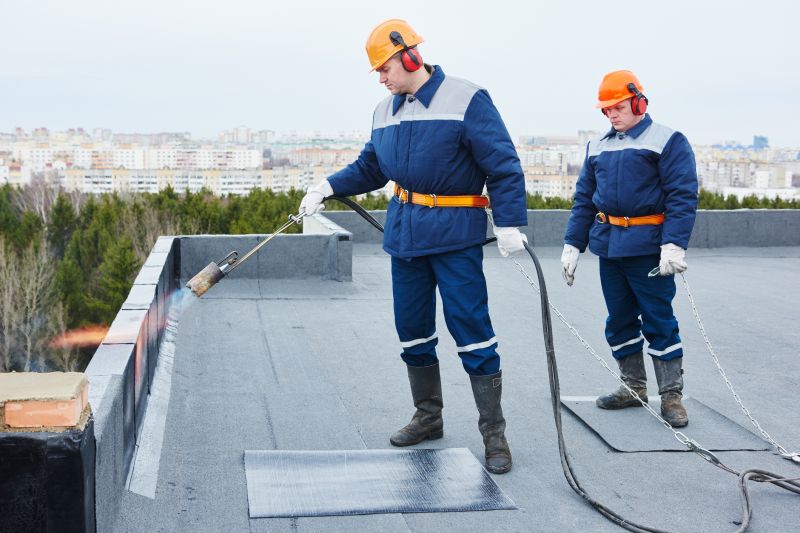
When evaluating options for flat roof construction: best practices for commercial buildings, experience with similar projects is a crucial factor to consider. A contractor with a proven track record in installing flat roofs for commercial properties understands the unique challenges these projects present, such as ensuring proper drainage, ventilation, and waterproofing. An experienced team can anticipate potential issues and apply industry-standard techniques to deliver a durable, long-lasting roofing system. Reviewing past projects or seeking reputable references can provide insight into a contractor’s ability to handle the specific demands of flat roof installation, giving confidence that the work will meet the necessary performance and quality expectations.
Clear, written expectations are essential when comparing flat roof installation services. These documents should outline the scope of work, materials to be used, installation procedures, and warranty details. A comprehensive agreement helps prevent misunderstandings and ensures that both parties are aligned on project deliverables. When evaluating contractors, it’s important to look for transparency in their proposals and to ask questions about the details of the installation process. This clarity allows property owners to make informed decisions and select a provider that prioritizes quality, professionalism, and adherence to best practices in commercial flat roof construction.
Reputable references and good communication are vital components of a successful flat roof installation. Reliable contractors should be able to provide references from previous clients with similar commercial projects, demonstrating their ability to deliver consistent results. Good communication throughout the process ensures that property owners are kept informed about project progress, potential issues, and any adjustments needed. A contractor who values transparency and maintains open lines of communication fosters trust and helps ensure the project proceeds smoothly. When considering flat roof installation services, prioritizing these qualities can lead to a more predictable, efficient experience and a roofing system that performs reliably over time.
Property owners often search for flat roof construction: best practices for commercial buildings when they are planning practical projects around their homes and businesses. Our team provides Flat Roof Installation services for everyday jobs and straightforward project options.
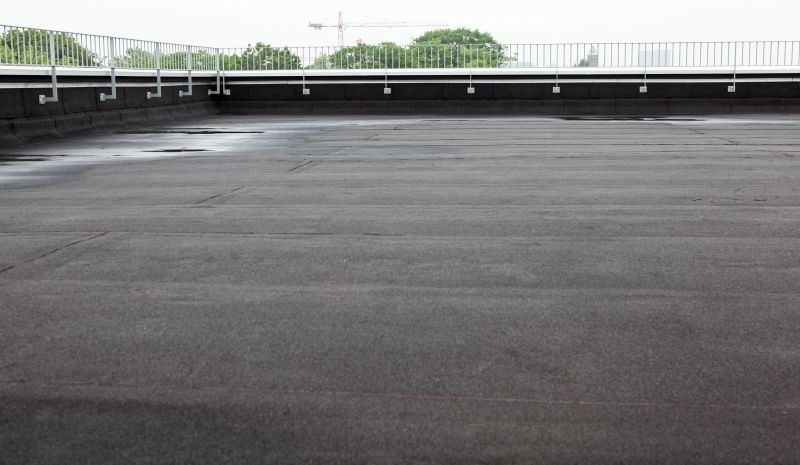
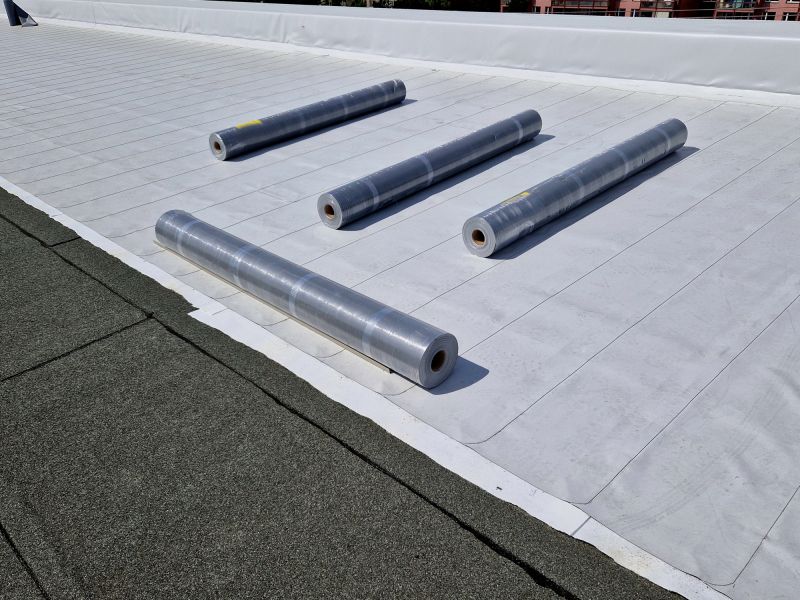
In everyday project situations, property owners often seek out information on flat roof construction: best practices for commercial buildings to ensure their investment is protected over time. Proper installation techniques are essential to prevent issues like leaks, water intrusion, and structural damage, especially in areas prone to heavy rain or temperature fluctuations. Our team emphasizes the importance of correct layering, ventilation, and sealing during installation, which contribute to the durability and performance of the roof. Understanding these best practices helps property owners make informed decisions about materials and design choices that align with their building’s needs and aesthetic preferences.
Many property owners in the area look up this topic after experiencing weather-related challenges or noticing early signs of wear on their existing flat roofs. Whether dealing with minor leaks or preparing for a new construction project, knowing the principles of flat roof construction: best practices for commercial buildings can make a significant difference in long-term protection and maintenance costs. Our flat roof installation services focus on applying these proven techniques with high-quality materials to ensure the roof performs reliably for years to come. Proper installation not only enhances the building’s resilience but also helps maintain energy efficiency and overall safety.
What are key considerations for flat roof construction in commercial buildings? Proper layering, ventilation, and sealing are essential to ensure durability, energy efficiency, and protection against water intrusion in flat roof construction for commercial buildings.
How does material selection impact flat roof installation? Choosing high-quality materials such as metal, slate, or composite options helps improve long-term performance, resistance to weather, and aesthetic compatibility with commercial properties.
What role does flashing play in flat roof construction? Flashing is critical for sealing vulnerable areas like roof transitions and penetrations, preventing water leaks, and maintaining the overall integrity of the roofing system.
Why is proper ventilation important in flat roof construction? Adequate roof ventilation helps regulate attic temperatures, reduces moisture buildup, and extends the lifespan of the roofing system by preventing damage caused by trapped heat and humidity.
What practices ensure the longevity of a flat roof in commercial buildings? Using quality materials, precise installation techniques, and addressing issues like leaks or storm damage promptly contribute to the durability and long-term performance of flat roofs.
Proper layering and sealing are essential in flat roof construction: best practices for commercial buildings to prevent water intrusion and ensure durability in your project. Choosing the right materials can improve performance and match the aesthetic needs of your commercial property when planning your flat roof installation. Effective ventilation and flashing installation help protect vulnerable areas and promote proper airflow, extending the lifespan of the roof system. Regular inspections and timely repairs are key to maintaining the integrity of flat roofs and avoiding costly damage over time.
If you are thinking about flat roof construction: best practices for commercial buildings for a property, this guide is meant to help you understand this topic, the typical project types, and how different options might fit your plans.
When you are ready, you can use the quote form on this page to share a few details about your project. From there, our team can review the basics and follow up with options that match what you have in mind.